
Author: Cross-Cultural Logophile
-
상상도 못한 정체
“상상도 못한 정체 (the identity no one expected)” is one of the memes that has stood the test of time. It is still being used in popular culture, such as TV shows and YouTube videos. This meme originated from the TV program “복면가왕 (King of Mask Singer).” It is one of the most successful music…
Written by
-
Korean Slang “Eojjeol-TV (어쩔티비)”: The Choding Have Arrived
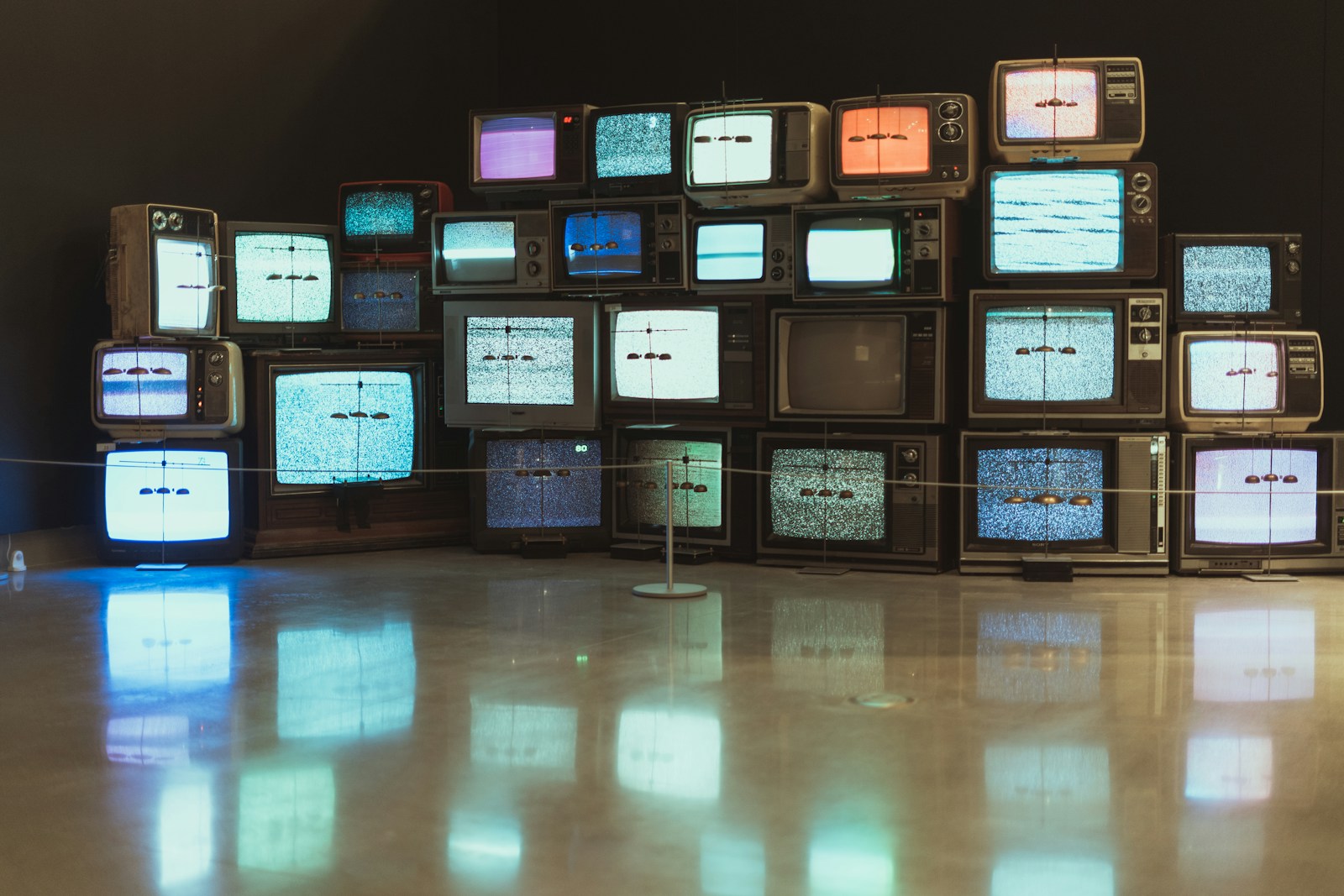
What happens when you combine a defiant “So what?” with a random household appliance? You get eojjeol-TV (어쩔티비). Asking why may already miss the point when it comes to this choding-led lingo. Eojjeol-TV to Jiral Sofa: Anatomy of a Random Mashup Eojjeol (어쩔) is a shorthand form of eojjeorago (“So what?”). The addition of “TV,”…
Written by
-
Korean Slang “Oetoven (외토벤)”: Foreign Composers in the K-pop Scene
The term oetoven (외토벤) is a portmanteau of the Korean word for “foreigner” (oegugin) and “Beethoven.” It is a popular slang term used to describe international composers who produce music for K-pop. Originally, the expression was used with a bit of hyperbole to suggest that these foreign producers possessed a level of musical genius that…
Written by

-
4-Character Korean Slang: Modern Day Mini-Philosophies
Explore how Korean neologisms use the ‘four-character aura’ of traditional sajaseong-eo to turn modern slang into profound mini-philosophies of life.
Written by

-
Korean Slang “Rek-kah (렉카)”: From Tow Trucks to Cyber Yellow Journalism
Have you ever wondered why Koreans call certain YouTubers ‘Wrecker’ (렉카)? The term has evolved from a simple word for a tow truck into a metaphor for yellow journalism in Korea. Rek-kah (렉카) is how Koreans pronounce “wrecker,” which means a tow truck. Nowadays, the word is frequently used to refer to yellow journalism on…
Written by

-
Korean Slang “Ojing-Eo-Jikimi (오징어 지킴이)”: Being Overly Protective of Her “Squid”
The literal meaning of ‘오징어 지킴이’ is a squid keeper. The word is a derogatory term for a woman who is overly protective of her husband/boyfriend. Calling someone ‘오징어 지킴이’ implies that no one cares to steal her husband/boyfriend because he is not that attractive in the first place. It has been for a while…
Written by

-
Korean Slang “Hal-Man-Ha-An (할많하않)”: The Ultimate “No Comment”
‘할많하않’ is simply an abbreviation of “할 말은 많지만 하지 않는다,” which means, “I have a lot to say but I won’t.” It’s one of the example where a plain sentence gained a deeper meaning and became a thing when people abbreviated it. Traditionally, Koreans use a lot of four character idioms that originated from…
Written by

-
판춘문예
‘판춘문예’ is a certain type of writing style that is a trademark of the website called Nate Pann. Nate is an internet portal service that has been around since 1999. The portal had its short heyday in the mid-to-late 2000s, with its integration with Cyworld, a Korean social media service, and the success of Nate…
Written by

-
두뇌풀가동
‘두뇌풀가동’ means “using one’s brain’s full capacity.” This meme originated from a TV show where a female singer, Chae Yeon, had to solve a simple math question to avoid a penalty in a game. The question was “2+2 x 2 =” and the right answer was 6. However, Chae Yeon chose 8 and lost the…
Written by